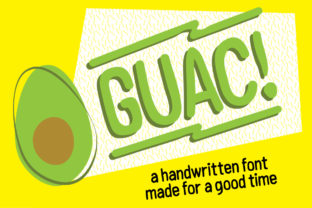
Guac: A High-Energy Handwritten Font for Standout Craft Brands
I was staring at a blank screen, trying to finalize the label design for my new line of artisanal soy candles. I had the imagery ready—soft, earthy tones with clean lines—but the typography felt flat. It lacked personality. It didn’t match the "good time" vibe I wanted my customers to feel when they lit the wick. That’s when I decided to test drive Guac, a fun, high energy, handwritten font that was made for a good time. Within minutes of dragging it onto my canvas, the entire mood shifted. The letters seemed to bounce off the screen, inviting interaction rather than just stating information. It turned a standard product label into a true stand out, and I knew immediately that this typeface would become a staple in my creative toolkit.
Why Guac is the Perfect Choice for Playful Brand Identity
When you are building a brand identity as a handmade seller or digital creator, your choice of Sans Serif or handwritten fonts can make or break the emotional connection with your audience. Guac is not just another decorative typeface; it is an expression of joy and spontaneity. Its visual personality is defined by loose, energetic strokes that mimic natural handwriting but with enough structure to remain legible and polished. This balance makes it incredibly versatile for makers who want their products to feel personal yet professional.
The charm of Guac lies in its ability to inject life into static designs. Whether you are creating shop banners, social media graphics, or physical merchandise, this font brings a sense of movement and warmth. It avoids the stiffness often associated with rigid display fonts while maintaining enough clarity to be read quickly. For small business owners, this means your branding feels approachable and authentic, which is crucial for building trust with customers on platforms like Etsy or Shopify. By choosing a creative font like Guac, you signal that your products are crafted with care and enthusiasm, not mass-produced indifference.
Using Guac for Product Labels and Packaging Design
One of the most practical applications I found for Guac was in packaging design. If you sell stickers, soaps, bath bombs, or boutique goods, your packaging is often the first physical touchpoint a customer has with your brand. Standard serif or sans serif fonts can sometimes feel too corporate or cold for these items. In contrast, Fonts with a handwritten flair like Guac create an immediate sense of craftsmanship.
I tested Guac on several mockups for product tags and hang tags. The irregular weight of the letterforms added texture without requiring complex graphic elements. When designing labels for candles or jars, I used Guac for the product name and key selling points, such as "Hand Poured" or "Soy Wax." The high-energy nature of the font made the text pop against both dark and light backgrounds. It worked beautifully for short phrases and names, ensuring that the most important information caught the eye instantly. For longer text, like ingredient lists or instructions, I paired it with a cleaner, simpler font to maintain readability, but the header always drew people in.
Creating Engaging Greeting Cards and Stationery
Stationery designers and wedding invitation creators know that paper goods rely heavily on typography to set the tone. Guac is particularly effective for greeting cards, birthday invites, and casual wedding stationery where a formal script might feel too stiff. I used this font to draft a series of birthday card mockups, and the results were vibrant and celebratory. The font’s playful character aligns perfectly with themes of friendship, celebration, and fun.
For wedding welcome boards or table numbers, Guac offers a modern twist on traditional calligraphy. It feels contemporary and relaxed, which suits many modern wedding aesthetics. When designing digital downloads or printable wall art, this font allows you to create pieces that feel uplifting and cheerful. I also experimented with using Guac for planner pages and journal covers. The high-contrast strokes work well for titles and section headers, helping users navigate their planners with a smile. The key is to use it for display use rather than body text, allowing the unique shapes of each letter to shine.
Optimizing Guac for Cricut and Silhouette Projects
For crafters who use cutting machines like Cricut or Silhouette, typography needs to be precise and durable. Guac translates exceptionally well into vinyl cuts for mugs, shirts, tote bags, and signs. Because the font has distinct gaps and clear curves, the cutting software handles it smoothly, reducing the risk of broken lines or messy weeding. I created a batch of vinyl decals for reusable water bottles using Guac, and the final result was crisp and professional.
When preparing files for physical merchandise, it is essential to check the included styles, alternates, and ligatures to ensure the best cut quality. Some handwritten fonts have overlapping paths that can cause issues in cutting software, but Guac appears to be optimized for clean vector output. This makes it ideal for commercial craft sellers who need reliable files for producing hundreds of units. Additionally, the font’s bold presence ensures that even when scaled down for small stickers or pin-back buttons, the text remains legible and impactful.
Pairing Guac with Other Typefaces for Balanced Designs
To maximize the impact of Guac, thoughtful font pairing is necessary. Since Guac is a high-energy handwritten font, it pairs well with a clean sans serif font or a simple serif font to provide visual balance. For example, I used a minimalist sans serif for secondary details like dates, prices, or copyright notices on my product listings. This combination creates a hierarchy that guides the viewer’s eye naturally from the fun headline to the essential information.
Another effective strategy is pairing Guac with a delicate script font for more romantic or elegant projects, such as bridal shower invitations. The contrast between the bold, casual strokes of Guac and the flowing elegance of a script adds depth and sophistication to the design. When working with digital templates or web design assets, this versatility allows you to maintain brand consistency across different mediums. Just remember to limit the number of fonts in any single design to keep the aesthetic cohesive and uncluttered.
Commercial Licensing and File Formats for Makers
Before incorporating Guac into your shop materials, it is crucial to review the commercial font licensing terms. As a maker, you likely plan to sell physical products, templates, printables, SVG-style designs, merchandise, or digital downloads. Ensure that the license permits these uses to avoid legal issues. Most premium fonts come with various file formats, including OTF and TTF, which are compatible with major design software like Adobe Illustrator, Photoshop, and Canva.
Checking for multilingual support is also wise if you plan to expand your audience globally. While Guac is primarily designed for English-speaking markets, verifying character sets ensures you can add special characters if needed. Ultimately, investing in a high-quality, commercially licensed font like Guac pays off in the longevity and professionalism of your brand. It saves time during the design process and provides a reliable tool for turning your creative ideas into tangible, marketable products that resonate with buyers.